

Jewelry is personal. It marks big moments in our lives, carries stories, and sometimes gets handed down as part of the family. Lately, though, shoppers across the U.S. are looking past the sparkle and asking questions: Where did this come from? How was it made? Is it really worth the price?
That’s pushing people toward a smarter way to buy. A sustainable jewelry guide isn’t just good for the planet—it can actually save you money, too. It might sound surprising at first, but it makes sense. Once you start understanding materials, sourcing, and what you’re really paying for, you stop throwing money at hype and start picking pieces that really last. Here’s how to make it practical, not overwhelming.
Sustainability isn’t just some buzzword anymore. It’s actually changing how people shop, especially when it comes to things like jewelry. But here’s something that gets missed a lot—sustainable doesn’t mean expensive. There’s a way this approach helps you spend less over time.
Sustainable jewelry means companies are responsibly sourcing materials, paying fair wages, and working to shrink their environmental impact.
That could mean:
It’s not just about what a ring is made of. It’s about the whole journey—from the mine to your hand.
Sustainable pieces sometimes look pricier at first glance. But really, you’re getting:
You’re not constantly buying replacements or snapping up impulse trends that break or go out of style next season. Think about it the way you’d think about a good leather jacket: You spend a little more upfront, but it stays with you for ages.
You’re going to see more brands advertising ethical practices. Not all of them deserve the hype, though. So how do you pick out the real ones from the fakes?
The good ones spell things out: clear details on where they get their materials, supply chain transparency, certifications, and how they treat their workers. Brands like Brilliant Earth or Mejuri don’t keep these details hidden—they put them right out front.
A lot of companies are just trying to sound responsible without actually changing anything. Look out for fuzzy language, like “ethically inspired” or “responsibly sourced,” with no proof or missing info on where the materials are from.
Gemstones are gorgeous, but old-school mining can wreck landscapes. Eco-friendly stones are starting to get real attention for a good reason.
Options include:
Here’s something a lot of people miss—eco-friendly stones, especially lab-created ones, are often cheaper than mined stones. You get the same look, and sometimes even better quality, without paying for the “rarity” or the cost of mining.
People ask about this all the time, and no wonder. The comparison is shaking up the entire diamond industry.
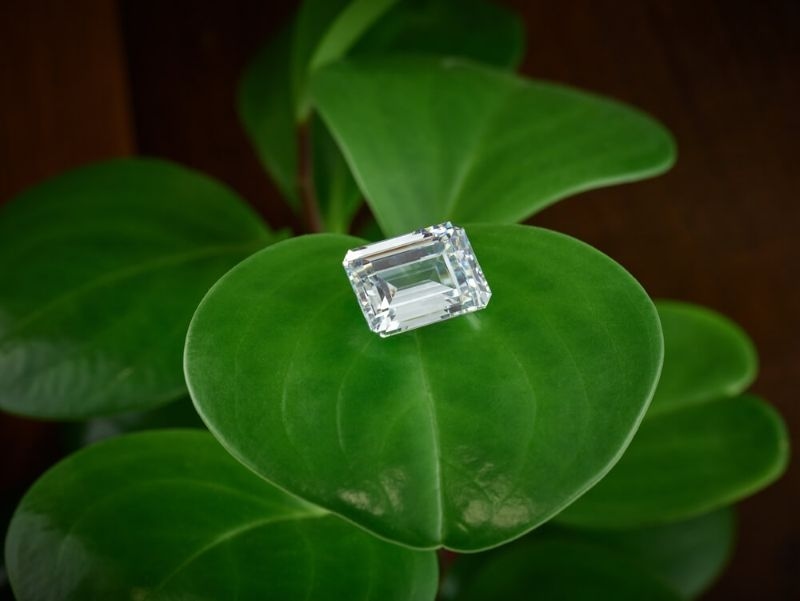
Lab-grown diamonds are grown with high-tech equipment. Natural ones form underground over millions of years. In pretty much every way that matters—appearance, chemistry—they’re identical. Even experts need special tools to spot the difference.
Lab-grown diamonds typically cost 30 to 50 percent less than natural ones. That’s a pretty huge gap. If you care about beauty and durability (not resale value), lab-grown almost always wins on price.
Gold’s everywhere—rings, chains, bracelets. But mining it causes real environmental damage. That’s a big reason recycled or responsibly sourced gold is getting more attention.
Most sustainable gold is:
Recycled gold is great because no new land is disturbed. You get the same material, just with way less impact.
Gold prices jump around, and brands often add their own premiums. Here’s how to keep things simple:
Sometimes, a small local shop will offer a better deal than a luxury brand, even if the quality’s the same.
“Conflict-free” pops up everywhere. In short, it means the jewelry isn’t funding violence, especially in mining zones.
Ask for certification. Look for Kimberley Process diamonds. Pick brands with open supply chains. Just know that the Kimberley Process isn’t perfect. It covers rough diamonds, but not everything else. It’s helpful, but don’t let it be your only check.
The basics work. Buy from jewelers you trust, skip deals that seem suspiciously cheap, and always ask where things came from. If a seller dodges questions, that’s a major warning sign. Trust your gut.
Let’s be real—jewelry is also about style and personal meaning. So how do you find pieces that look great and fit your wallet, without selling out on ethics? Trendy stuff comes and goes. Classic styles stay in rotation for years, so you don’t have to keep rebuying.
Not every piece needs to break the bank. You can put your money into one showstopper sustainable piece, then pair it with fun, affordable accessories and rotate your looks without going broke.
Taking a smarter, more thoughtful approach to jewelry changes everything. Instead of chasing trends or name brands, you start choosing real value, quality, and impact. That’s the power of a good, sustainable jewelry buying guide. It helps you buy smarter—without having to sacrifice style or spend a fortune.
Everything adds up: picking eco-friendly stones, understanding the lab-grown vs. natural debate, and choosing recycled gold. Over time, you wind up with a collection that means more, lasts longer, and often costs less in the end. Honestly, that’s a win across the board.
Sustainable jewelry can hold value, especially if it uses high-quality materials like gold or diamonds. However, resale depends more on craftsmanship and market demand than on sustainability alone.
Yes, vintage jewelry is one of the most sustainable options available. It reuses existing materials and avoids new mining, making it both eco-conscious and often more affordable.
Absolutely. Many sustainable pieces are designed for durability and daily use. Just check the material quality and care instructions to ensure they last long-term performance.
Ask the seller for sourcing details or certifications. Lab-created and recycled gemstones are usually the easiest to verify, as their origin is clearly documented.
This content was created by AI